
At Glass Fast, our glaziers in Exeter are experts in commercial glazing and are here to help with any of your commercial glazing needs, but not many people know the difference between commercial glazing and double glazing.
Commercial glazing is any glazing installed on commercial properties. Therefore, it must comply with specific quality standards, safety standards, and regulations. Double glazing is used in residential properties. Different materials and application methods are used due to its smaller scale. Continue reading to find out more differences between these two types of glazing.
Commercial Glazing
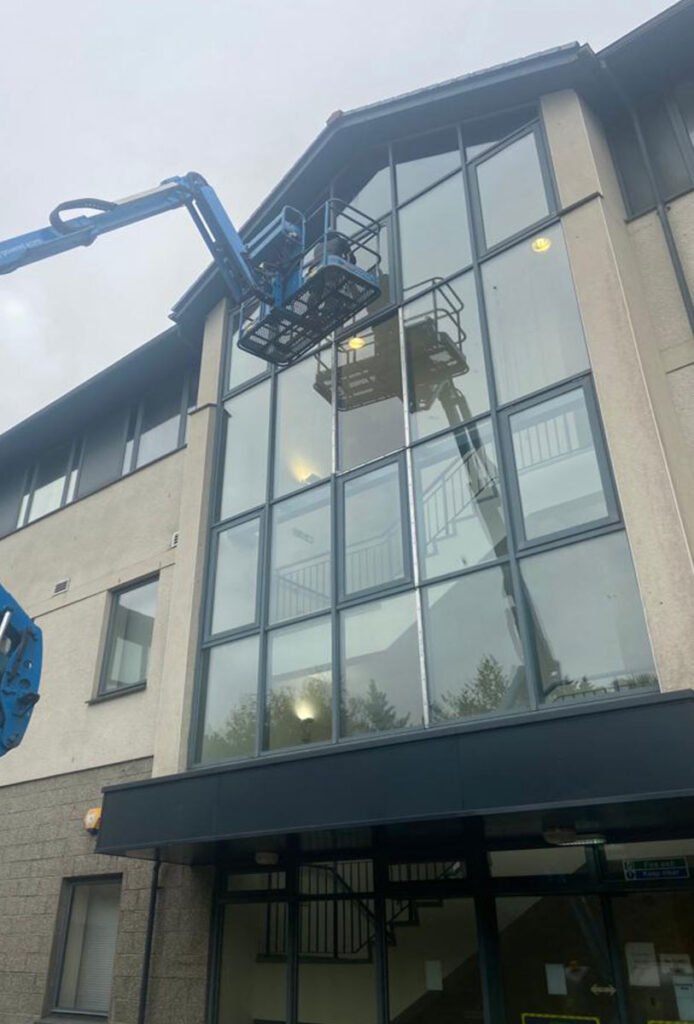
Commercial glazing requires special equipment due to the size of commercial buildings. Usually, the glazing is done on-site. To meet UK health and safety rules, the glass and materials used must meet certain standards. Commercial building owners are responsible for the safety of everyone inside, so regulations require that commercial glazing must:
Control solar energy transmission: Unlike homes, commercial buildings generate more heat from people and equipment. The glazing must limit solar energy absorption, unlike regular residential double glazing, which is designed to absorb solar energy.
Provide weather resistance: Lightweight and flexible aluminium frames must be used, and windows must withstand building sway, water, temperature changes, and strong winds.
Working in the South West, and Exeter, our glaziers always have extra large glass sizes in stock, so no commercial glazing job is too big.

Double Glazing
Double glazing involves two glass panes separated by a layer of gas or air, offering effective thermal insulation because the gas is a poor heat conductor. This results in faster heating and better heat retention, leading to reduced electricity bills. Unlike commercial glazing, standard double glazing is not always installed on-site. It is frequently provided as a unit for installation into the window frame. Safety regulations and standards for double glazing differ from commercial glazing.
Windows Energy Rating (WER)
Glazed windows typically come with a Windows Energy Rating (WER). The ratings vary from extremely efficient (A++) to very inefficient (G). Double glazing options must adhere to building regulations, requiring at least a C rating. This rating is determined by factors such as air leakage (L value), solar factor (G value), and thermal transmittance (U value).
Commercial and residential buildings deal with different environments, so they need different types of glass that follow separate rules and standards. Find out about the commercial window repairs and replacement services our glaziers in Exeter and the South West offer at Glass Fast here.