Sustainability within developments and commercial buildings has become increasingly important over the years. The need for eco-friendly options is integral to ensure companies are doing their part for the environment and helping towards a more sustainable future. Commercial glazing has become a sustainable solution as newer technologies have created innovative ways to make glazing greener. At Glassfast, our expert glaziers in Devon can provide advice and solutions for a more sustainable shop front.
The demand for eco-friendly solutions is critical as companies seek to reduce their environmental footprint and contribute to a sustainable future. Commercial glazing has emerged as a key component of this shift, with advancements in technology offering more sustainable and energy-efficient glazing options. These innovations make commercial glazing a greener, more responsible choice for modern buildings.
Advantages to Sustainable Commercial Glazing
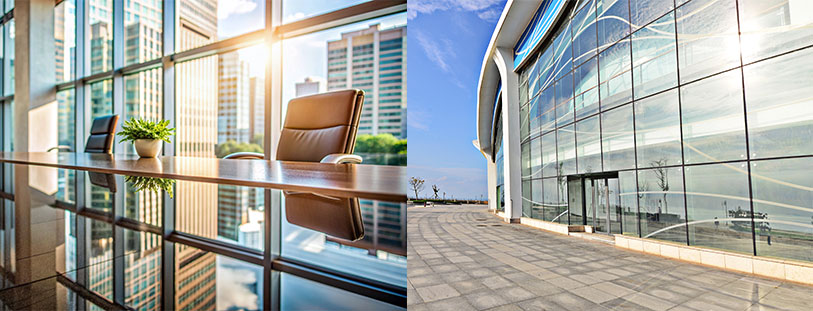
Maximising Natural Light - Commercial glazing allows buildings to maximise natural light, which improves occupant well-being and reduces the need for artificial lighting, leading to energy savings and lower carbon emissions.
Improved Thermal Performance - High-performance glazing enhances a building's insulation, maintains comfortable indoor temperatures year-round and reduces the need for heating and cooling, resulting in energy efficiency and lower emissions.
Reduced Environmental Impact - Sustainable glazing systems help reduce a building's energy consumption and carbon footprint. Additionally, recyclable and low-impact materials further decrease waste and support eco-friendly construction practices.
Boosting Thermal Insulation on Commercial Glazing
Environmentally friendly window coverings enhance thermal insulation, contributing to a more energy-efficient home/business.
Low-E Coatings
Low-emissivity (low-e) coatings reflects infrared and UV light, reducing heat transfer through windows. This improves insulation by trapping warm air inside in colder weather and reflecting solar heat. This results in lower energy use for HVAC systems and a reduced carbon footprint for commercial buildings.
Double-Glazed Glass
Double-glazed windows feature two layers of glass with an air or gas layer in between, effectively trapping heat. This design enhances thermal efficiency while maintaining the building’s aesthetic appeal.
Insulated Glass Units (IGUs)
IGUs consist of multiple glass panes separated by air or gas layers, improving insulation by trapping heat and making indoor spaces more comfortable.
Challenges of Commercial Glazing
Incorporating commercial glazing into sustainable architecture presents challenges, particularly with increased heat loss during winter. This issue can be addressed by using double or triple glazed windows. These types of windows provide superior insulation and reduce heat transfer, maintaining indoor temperatures more effectively.
Another challenge is higher solar gain in summer, which can raise cooling costs. This can be managed by integrating shading devices like shutters, blinds or window films into the glazing system. These features help control solar energy entry, minimising excess heat gain and improving energy efficiency.
Sustainable architecture depends heavily on commercial glazing as the focus on sustainability grows. While the glass industry faces challenges, effective solutions are becoming increasingly more available. Commercial glazing companies are key to advancing eco-friendly design by providing products that blend modern aesthetics with environmental responsibility. At Glassfast, our team of glaziers in Devon are proud to support this movement, offering energy-efficient solutions to commercial properties across the South West..
To discuss commercial glazing options, or to find out more about our other services, get in touch with our team today.