Your glazing does more than enhance aesthetics and improve energy efficiency; it serves as a protective barrier against changing weather conditions. While glazing is generally resilient against the elements, prolonged exposure can affect the overall health of your windows. By understanding how different weather conditions impact your windows and doors, you can take proactive steps to maintain their condition and extend their lifespan. Our specialist glaziers in Exeter have provided you with this guide on the effect different weather conditions have on your glazing.
The Impact of Rain
Moisture Infiltration
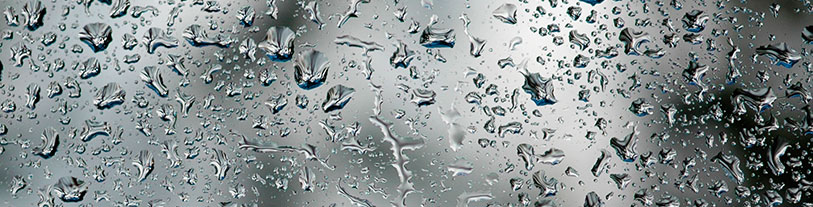
Prolonged rain can cause moisture in wooden frames, leading to swelling, warping, and rot, which compromises structural integrity and fosters mould. To prevent damage, regularly seal and paint frames, and inspect for water damage to avoid costly repairs.
Corrosion
Rain can damage metal parts like hinges, locks, and fasteners, leading to rust and corrosion that hinder operation and reduce lifespan. Use stainless steel or corrosion-resistant materials and regularly lubricate these components to ensure smooth functioning.
Swelling and Warping
Excess moisture can cause wooden doors and window frames to swell and warp, affecting their function and appearance. Protect them with weather-resistant finishes or opt for moisture-resistant materials like vinyl or aluminium.
The Impact of Sunny Weather

UV Radiation
Prolonged exposure to UV radiation can damage windows and doors, fading colours and weakening materials, leading to cracking and peeling. To protect them, use UV-resistant coatings and window films, which block UV rays and help preserve their appearance and durability.
Thermal Expansion
Heat can cause wood and vinyl to expand, leading to warping and gaps that compromise window and door seals. Over time, this weakens their structural integrity. Choose materials designed for high temperatures and conduct regular inspections to catch issues early.
Energy Efficiency
Sunny weather can reduce your home’s energy efficiency. Single-pane windows and poorly insulated doors let in heat, increasing cooling costs. Double-glazed windows and reflective coatings can enhance efficiency by minimising heat transfer and keeping your home cooler.
The Impact of Cold Weather
Cracking and Gaps
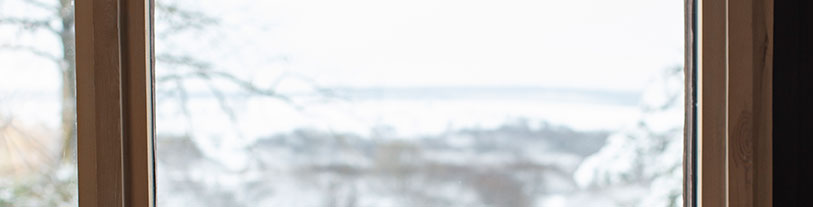
Cold weather causes materials to contract, leading to cracking and gaps in wooden and vinyl frames that let cold air in and reduce energy efficiency. Use materials that withstand temperature changes and perform regular maintenance, such as caulking and sealing, to prevent damage.
Failure of Seals
Freezing temperatures can cause seals to fail, leading to drafts and reduced insulation. Brittle, cracked seals lose their effectiveness against the cold. To maintain warmth and energy efficiency in winter, regularly inspect and replace worn or damaged seals and gaskets.
Condensation and Frost Build-Up
Cold weather can cause condensation and frost build-up on windows, leading to water damage and reduced visibility, especially in older, poorly insulated windows. Improving ventilation and using insulated glass can help reduce condensation. Properly sealing and insulating windows also minimises these issues.
The Impact of Wind
Structural Damage
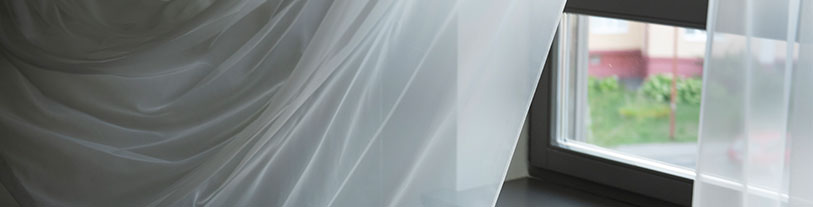
Strong winds can pressure windows and doors, potentially causing structural damage, especially in larger ones. To mitigate this, choose robust, wind-resistant materials and reinforce frames. Ensuring secure installation also helps prevent wind-related damage.
Air Infiltration
Windy conditions can cause air infiltration through gaps around windows and doors, reducing energy efficiency and comfort. Improving insulation and sealing gaps can prevent this. Regular maintenance and inspections are essential for identifying and addressing leaks.
Debris Damage
Debris from strong winds can damage windows and doors, causing broken glass and dents, especially during storms. Installing storm shutters and using impact-resistant glass can help protect against debris. Keeping trees and other potential sources of debris away from your home also reduces damage risk.
The Impact of Humidity
Moisture Retention
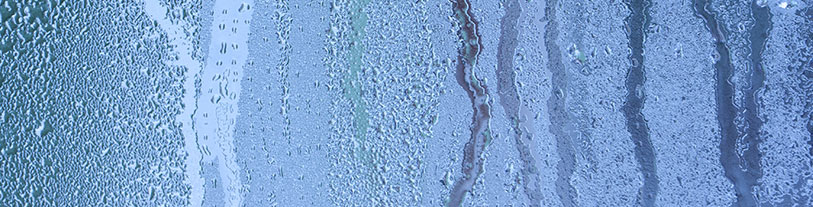
High humidity can cause moisture retention in wooden frames, leading to rot and mould, especially in consistently humid areas. Regular inspections and moisture barriers can help prevent this, while good ventilation reduces the risk of mould growth.
Degradation
Humidity can degrade materials in windows and doors, such as adhesives and seals, leading to warping and reduced effectiveness. Selecting materials suitable for humid environments is crucial. Regular maintenance and prompt repairs can extend the lifespan of your windows and doors.
Condensation
High humidity raises the chances of condensation on windows, leading to water damage. Proper ventilation and the use of dehumidifiers can help manage humidity levels and minimise condensation.
If you want to ensure your windows stay in top condition to protect your property from the elements, reach out to our glaziers in Exeter. They can recommend solutions to maintain your glazing for years to come.